.jpg)
Projets



Green Energy Constituencies
Green Energy Constituencies
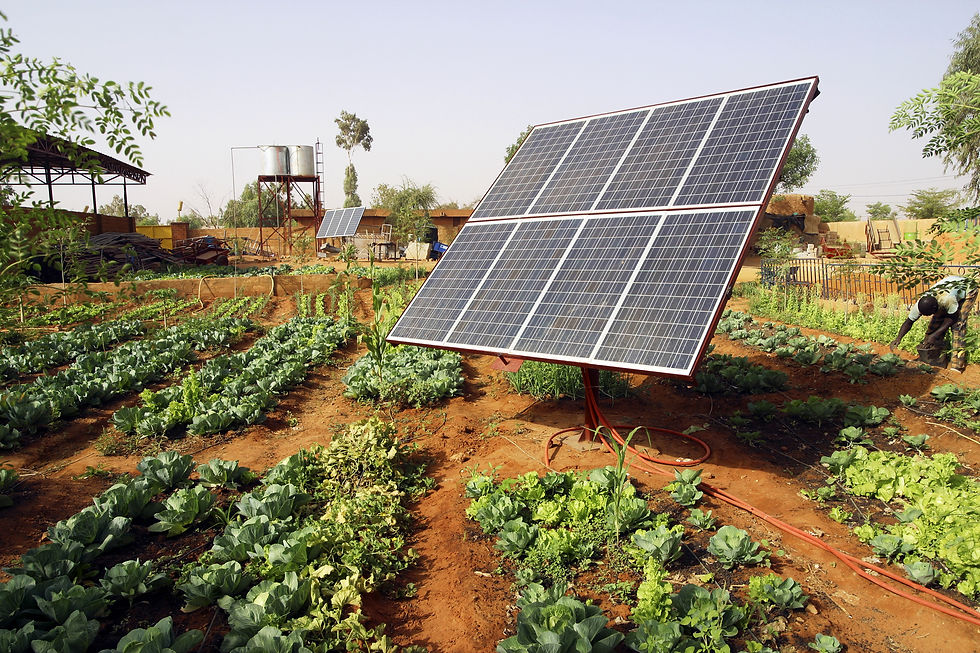
Green Energy Constituencies (GECs) are a practical way for every community to own and benefit from local renewable power. The aim is to give each constituency its own affordable and reliable energy supply that lowers living costs, strengthens local economies and keeps people safe as the climate becomes harsher. This makes the energy transition visible and useful in daily life. Communities gain their own power stations, batteries and revenue streams. Every area moves forward at the same pace.
Why Green Energy Constituencies matter
Fair
Constituencies already divide people into equal groups for representation. Funding renewable energy on the same basis ensures equal investment and equal access.
Cheap
Local renewable power is often far below the cost of grid electricity. Energy produced and used within the community avoids high delivery costs and reduces bills for homes and businesses.
Resilient
Grid failures are becoming more common in severe heat, storms and energy shortages. Local solar and batteries can keep essential services running when the national system fails. Reliable cooling will save lives during extreme heat. Electric cooking cuts reliance on charcoal and firewood and helps protect forests.
Popular
People want lower costs and steady jobs. Constituencies deliver cheaper energy and support local enterprise. Large renewable projects are easier for communities to back when there is a clear local benefit.
Politically powerful
Elected representatives want results that voters can feel. GECs provide visible progress in every area and increase political momentum.
Large-scale potential
Rooftop solar could match almost all current global electricity use. Combined with community storage, small hydro, local wind and regional power links, clean energy can replace fossil fuels while saving money. The limiting factor is political will. GECs create it.
How to build Green Energy Constituencies
Scale what already works
Countries are already installing rooftop solar at speed. India is aiming for 10 million solar roofs. Pakistan and Vietnam have added gigawatts within short periods. Companies like Sun King are supplying millions of small solar systems.
The goal is clear:
Solar and batteries on every home, school, clinic and business
Small local power plants that supply reliable energy
Solar canopies over car parks and roads where rooftop space is limited
Make finance work
Most households cannot buy their own systems. Investors can cover upfront costs when the returns are stable. Community energy models in the UK show that investors can earn a steady return while residents buy power at a lower price. Export rates for surplus electricity improve the business case. Solar is already cheaper than fossil fuel power where finance is affordable.
Involve utilities
Utilities can offer subscription models that supply customers with local renewable energy. Iberdrola uses this approach in Spain. The model also works for mini grids in areas without national grid access.
What a Green Energy Constituency fund supports
Energy
Rooftop solar and small local arrays
Local wind, small hydro and geothermal
Home batteries, community batteries and small pumped storage
Grid upgrades for two way power flow
Equipment that allows communities to operate during blackouts
Resilience
Cooling in schools, hospitals and community buildings
Electric cooking that replaces charcoal and reduces deforestation
Local production
Reliable power for local industry
Cold storage that reduces food losses
Processing of non timber forest products
Green hydrogen for local fertiliser production
Local agricultural processing
Electric vehicle charging
These activities create steady demand that supports the financial strength of local energy systems.
How to attract low cost finance
Blended finance
Mixing public and private funds lowers investor risk and reduces the cost of capital.
Aggregation
Combining many GECs in one investment portfolio spreads risk and lowers interest rates.
Guarantees
Institutions such as MIGA, IFC and Sida can provide insurance against political and currency risk and help secure lower cost lending.
High level political backing
When national leaders and cross party groups support the programme, political risk falls and investors gain confidence in long term stability.
Once funds are established, developers, councils and utilities can apply for affordable finance to build projects.
A high level GECs dialogue
A GECs Dialogue is under way in 15 African countries. It brings together legislators, ministries, utilities, developers, banks, manufacturers, civil society and development partners. Each has a role in scaling local clean energy.
Local governments can form their own funds, choose trusted developers, support rooftop rollout and share proven practice. Legislators can convene partners and dedicate constituency funds. Multilateral banks can provide guarantees and low cost finance. Civil society groups ensure transparency. Manufacturers provide technology and guidance.
Work is also progressing on modernising national and regional grids. This includes long distance green corridors that move power from large solar and wind zones to population centres.
Political will is the deciding factor. Most representatives do not focus on climate, yet all want to reduce living costs and strengthen communities. GECs achieve both and can scale fast.
Participating countries















Documents
Nom de fichier
Links
Lien